
Organic lawn feeding
Four visits a year of time release organic fertilizer, a compost topdressing in fall and a soil test on the first spring visit, so your lawn gets what it lacks and nothing it doesn’t.
From $65 a visit
Water wise lawns for the Front Range
Organic feeding, deep rooted grass and native blooms for yards in Fort Collins and nearby towns, on a schedule you can set your calendar by.
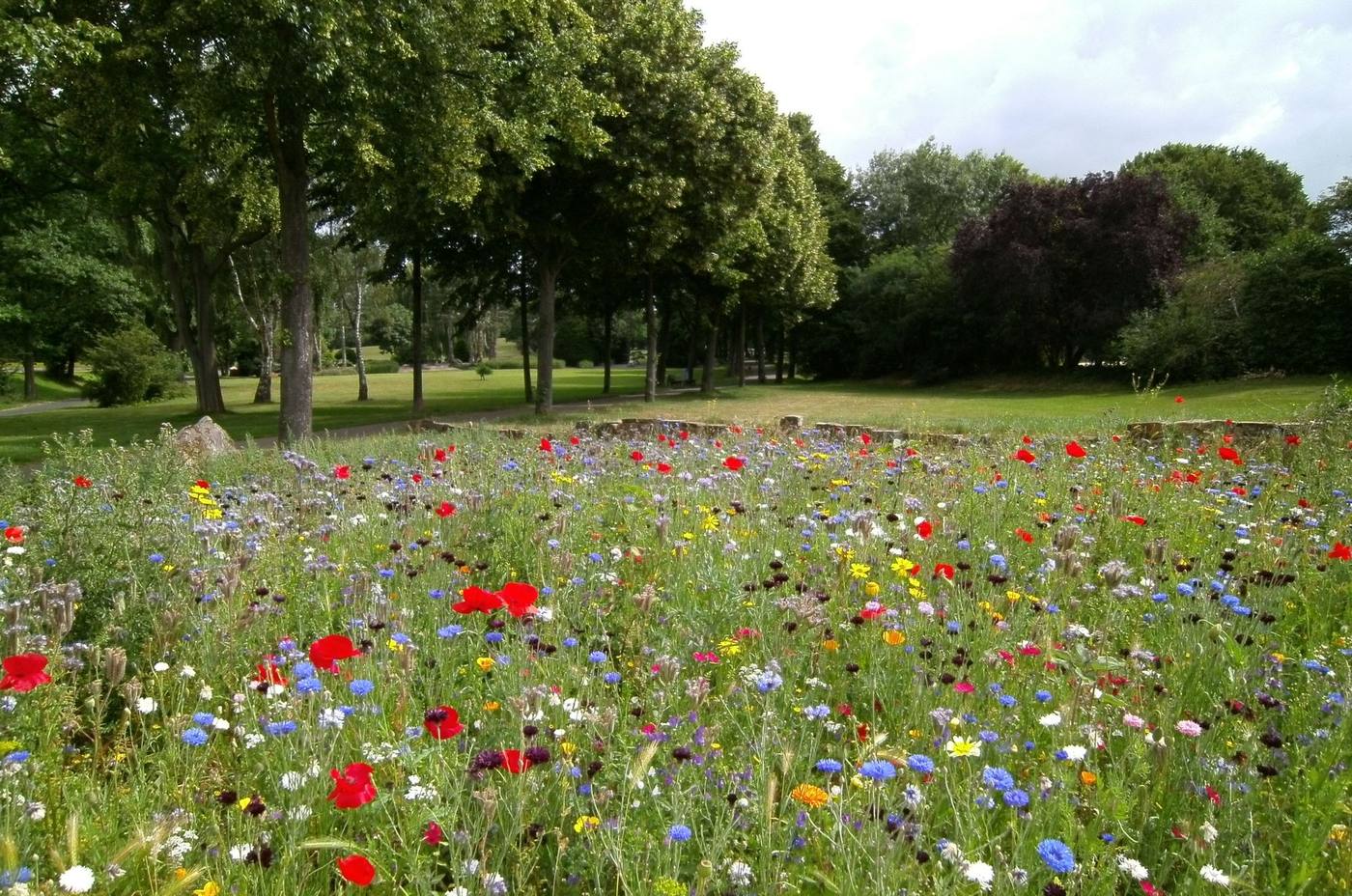
On the cover: a mown lawn edged by summer meadow.
What we do
Every visit starts with the soil. Feed it well, water it deeply and the grass grows thick enough to crowd out weeds on its own, with no synthetic sprays.
Four visits a year of time release organic fertilizer, a compost topdressing in fall and a soil test on the first spring visit, so your lawn gets what it lacks and nothing it doesn’t.
From $65 a visit

We pull cores to open up clay soil, then seed with a drought tolerant blend that roots deeper than bluegrass.
Aeration from $85, with overseeding from $165
Water
We run every zone, straighten or swap heads that water the sidewalk, fix leaks and set your controller for the season.
$95 for up to 8 zones

Beds of Colorado natives that bloom from May to frost and need a fraction of the water a lawn does.
From $12 per sq ft, plants included
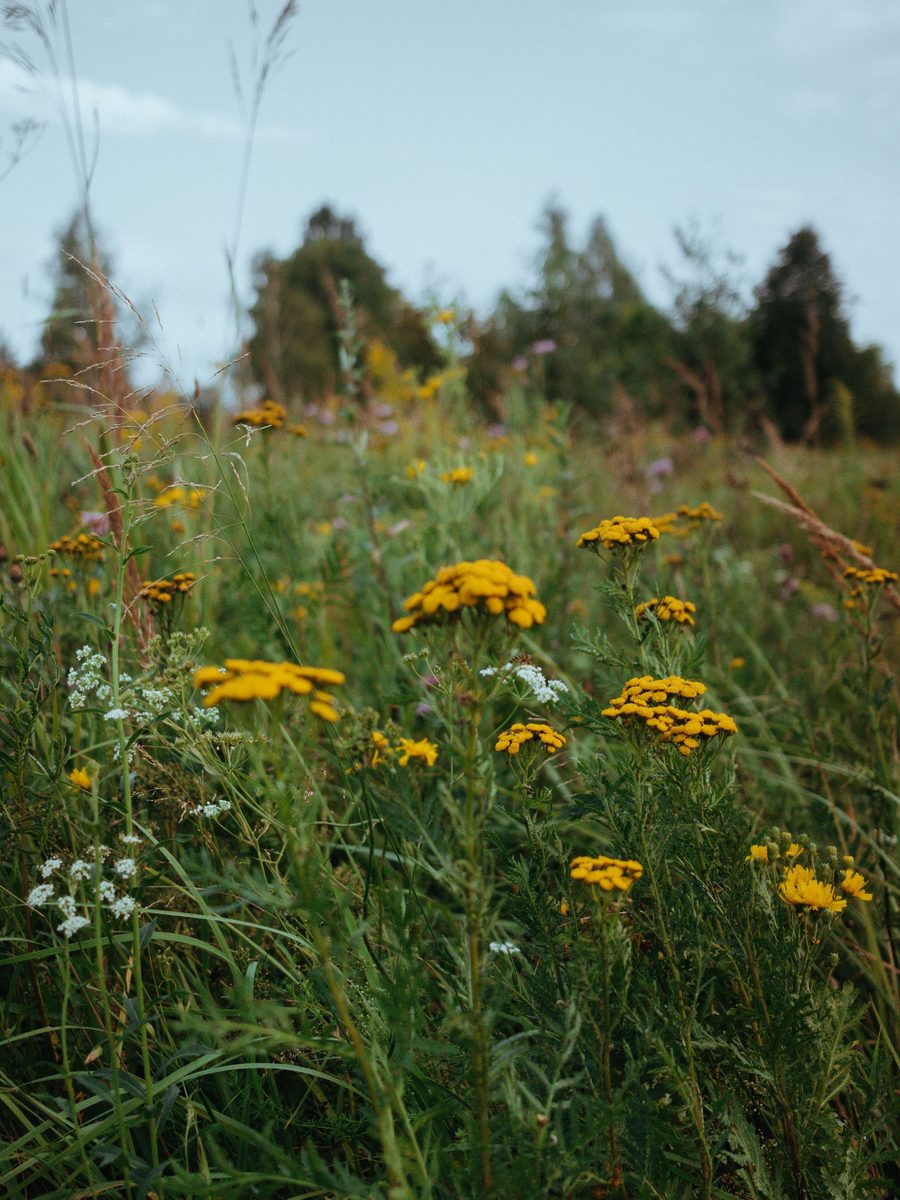
Trade the hottest, thirstiest strip of lawn for a meadow of native grasses and wildflowers. How a conversion works
From $4.50 per sq ft
The seasonal plan
Sign up once and we build your visits into a calendar. The same crew arrives on the week we planned and texts you the day before.
Water savings, explained
Most Front Range lawns get more water than the grass can use. Heads spray the driveway, the timer still runs on its May settings in September, and shallow roots need a drink every day in July.
We work through it in steps. Tune the system first, then grow deeper roots with better soil and drought tolerant seed. If you’re ready, trade the hardest strip of lawn for natives that barely need watering once they’re settled.
Sprinkler and native servicesSummer watering for an example 5,000 sq ft yard, compared with where it started.
The seed catalog
Tough, thrifty plants that grew on these plains long before lawns did. Each one is on the menu for native beds and meadow mixes. See the full catalog
Bouteloua gracilis
Achillea millefolium
Echinacea angustifolia
Penstemon strictus
Lawn journal
Short, practical reading for anyone with a yard in Northern Colorado.
Soil
Clay soil packs down hard by August. September is the moment to open it back up.
Cores pulled in early fall let air, water and compost reach the roots while nights are cool and the soil is still warm. Seed sown into the holes sprouts in two to three weeks and has all autumn to settle in before winter.
Leave the cores on the lawn. They break down in a week or two and return their soil to the surface.
Water
Two small habits that change how much a lawn needs.
Set the mower to 3 or 3.5 inches. Taller grass shades its own soil, which holds moisture and keeps weed seeds from sprouting.
Then water deeply twice a week in the early morning instead of a little every day. Roots follow the water down, and deeper roots ride out a hot week much better.
Meadows
You don’t need to give up the whole lawn. Begin where the grass struggles most.
The hot strip along the driveway or the slope that browns every July is a perfect first meadow. We smother the turf in fall, sow native seed over winter and let the snow press it in.
The first summer is mostly roots and leaves. By the second June, the strip is full of flowers.
Free quotes
Tell us what you’d like help with and we’ll call within one business day to set up a free walk around your yard. Quotes are written, itemized and good for 60 days.
Service area